Horse chestnut (Aesculus hippocastanum) is one of the most familiar and best-loved trees in England. The conker — collected from pavements and parks every autumn by generations of children — is as much a symbol of the British season as any other natural marker. But the horse chestnut population in the UK has been under sustained attack from two distinct problems since the early 2000s, and the trees in your street, your park, and quite possibly your garden are now almost certainly affected by one or both. Understanding horse chestnut leaf miner and bleeding canker, knowing what to look for, and knowing how to manage the implications for your specific tree is the subject of this guide.
Why Horse Chestnuts Are Under Pressure
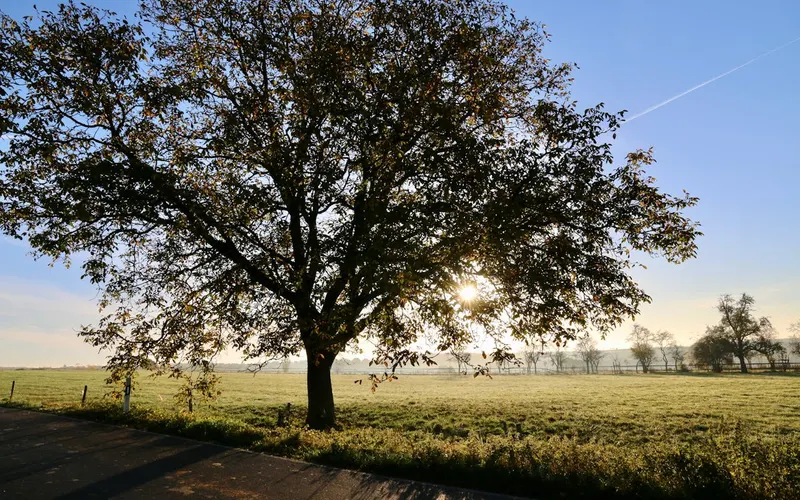
The horse chestnut is not a native British species — it was introduced from the Balkans in the sixteenth century and was planted widely as an ornamental avenue and parkland tree in the Victorian and Edwardian periods. Many of the specimens in Nottinghamshire’s residential streets and parks date from this era and are now well over a hundred years old. They were not planted with a 2025 disease landscape in mind, and the combination of their age, the specific diseases now circulating, and the changing climate is putting significant numbers of them under serious pressure.
Horse Chestnut Leaf Miner (Cameraria ohridella)
The horse chestnut leaf miner is a small moth (wingspan approximately 9mm) native to Macedonia, first recorded in the UK in 2002 and now present virtually everywhere there are horse chestnuts in England. Its larvae feed within the tissues of the leaflet, producing the characteristic brown mining trails and blotches that make horse chestnut leaves look tatty from July onwards and cause the trees to shed their leaves prematurely, sometimes by August in heavily affected specimens.
The Impact of Leaf Miner on Tree Health
The health impact of leaf miner on horse chestnuts is a nuanced subject. Research is ongoing, but the current consensus is that:
- In isolation, on an otherwise healthy tree in good growing conditions, leaf miner infestation — even heavy infestation causing significant premature defoliation — is unlikely to be fatal
- The photosynthetic season is shortened by premature defoliation, reducing the tree’s ability to accumulate resources for the following year’s growth and reproduction
- In combination with other stresses — drought, soil compaction, waterlogging, secondary pathogens, or bleeding canker — the compound effect can accelerate decline significantly
- Young trees and those already weakened by other factors are more seriously affected than mature healthy specimens
Managing Leaf Miner
There is currently no practical chemical or biological treatment available for leaf miner in established amenity trees. The most effective management measure available to property owners is to collect and remove fallen leaves in autumn. The leaf miner overwinters as pupae within fallen leaflets, and reducing the leaf litter around the tree reduces the following year’s reinfestation pressure. Fallen leaves should not be composted — composting temperatures may not reliably kill the pupae. Removing them from site is the most effective approach.
Horse Chestnut Bleeding Canker (Pseudomonas syringae pv. aesculi)
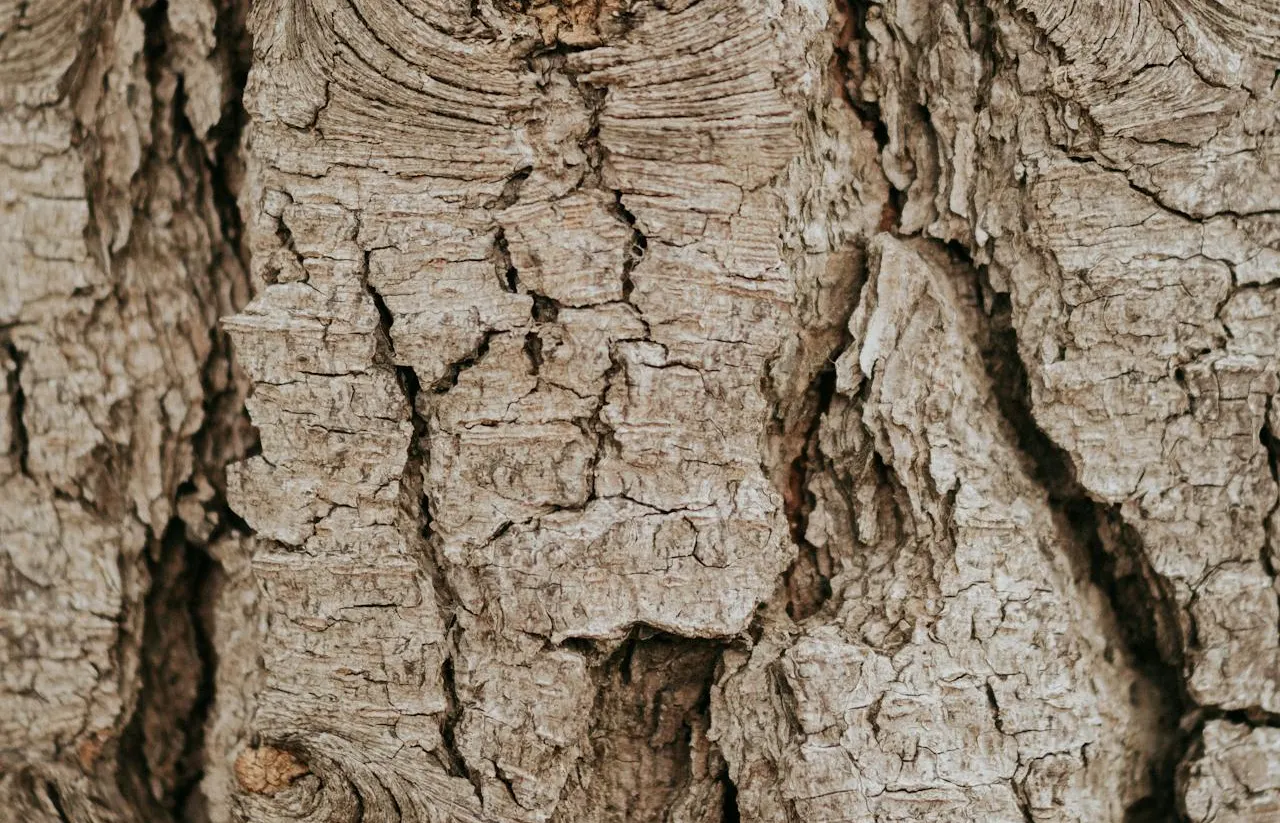
Bleeding canker is a bacterial disease that has become increasingly widespread in UK horse chestnuts over the past two decades. It is caused by a strain of the bacterium Pseudomonas syringae and presents as dark, water-soaked patches or lesions on the bark of the stem and major branches, from which a sticky, reddish-brown or rust-coloured liquid — the bleeding — seeps. The staining this produces on the bark (often dark brown or black as it dries) is typically the first sign that attracts a homeowner’s attention.
What Bleeding Canker Does to the Tree
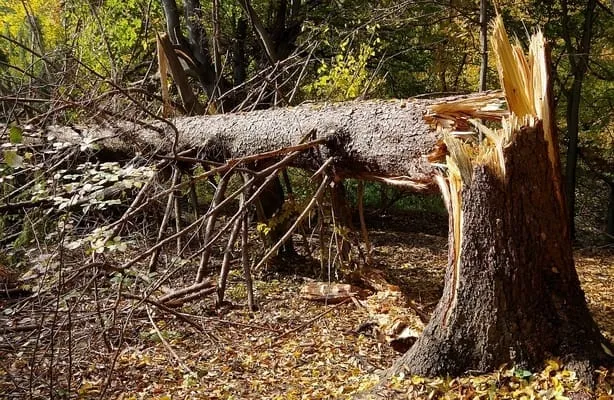
Internally, the bacterium kills the cambium — the thin layer of living tissue immediately beneath the bark that produces new bark and wood each year. Where the bacterium kills the cambium, a canker — a defined area of dead bark and underlying wood — develops. As individual cankers expand and eventually coalesce, they can girdle the stem: encircling it completely and cutting off the vascular flow between roots and crown. A fully girdled stem above any canker zone is effectively disconnected from its water and nutrient supply.
The severity of bleeding canker varies considerably between individual trees and individual infections:
- Some trees show small, localised cankers that appear to stabilise and do not progress
- Others show active, expanding cankers that coalesce over several years and eventually girdle the stem or a major branch
- The most severe cases involve multiple active cankers on the main stem, with significant dieback of the crown above the most advanced canker zone
Risk Assessment for Bleeding Canker
The structural risk presented by a horse chestnut with bleeding canker depends primarily on:
- The proportion of stem circumference affected by active cankers — a single small canker on a large stem is very different from cankers coalescing around 50% or more of the circumference
- Whether the disease appears to be progressing or stabilising — comparing photographs from year to year is a useful indicator
- The extent of associated crown dieback — significant dieback above a canker zone indicates advanced vascular compromise
- The targets below — a declining horse chestnut over an unused area of lawn is a different risk proposition from one over a public pavement, a children’s play area, or a car park
When Both Diseases Are Present Together
The compounded effect of heavy leaf miner infestation — reducing photosynthetic capacity through premature defoliation — and active bleeding canker — disrupting the vascular transport of water and nutrients — in the same tree accelerates decline significantly compared with either condition alone. We are seeing an increasing number of horse chestnuts in Nottinghamshire and Derbyshire where both are present simultaneously, and where the combination is clearly pushing trees towards the end of their functional life faster than either disease alone would.
In these cases, the management decision is often not whether to act but when and how. Early intervention — whether crown reduction to reduce the load on a compromised vascular system, targeted deadwood removal to reduce structural risk while the tree is still retainable, or in severe cases a planned staged removal that allows time for TPO consent if required — is consistently better than waiting for the tree to reach a crisis point.
Horse Chestnuts, TPOs, and Nottinghamshire Councils
Horse chestnut is a commonly TPO-protected species — particularly in Victorian and Edwardian street and avenue plantings, in the front gardens of older residential properties, and in public park settings. A TPO on a horse chestnut does not expire because the tree is diseased. If your horse chestnut is subject to a TPO from any of the Nottinghamshire or Derbyshire local planning authorities — Broxtowe, Gedling, Newark and Sherwood, Mansfield, Amber Valley, or others — you must obtain prior written consent before carrying out any significant works, including removal.
In practice, councils generally grant consent for works on horse chestnuts where bleeding canker or structural risk from disease is the documented reason, but the application process must be followed and completed before works can lawfully proceed. We prepare and submit consent applications for horse chestnut work across the region, including the arboricultural condition reports that local planning authorities typically require where disease is cited as the justification for significant crown reduction or removal.
Frequently Asked Questions
The leaves on my horse chestnut turn brown and fall early every year — is this leaf miner?
Almost certainly. Leaf miner is now present on virtually every horse chestnut in England and the browning of leaves from July or August with premature defoliation is the classic symptom. Collect and remove fallen leaves to reduce next year’s infestation. If the tree is otherwise healthy and growing well, leaf miner alone is unlikely to kill it.
My horse chestnut has dark staining and liquid seeping from the bark — what should I do?
This sounds like bleeding canker. Arrange a professional assessment to establish the extent of the canker, whether it is actively progressing, and what the structural implications are for the tree. The appropriate response depends on how advanced the disease is and what the targets are beneath the tree.
Can bleeding canker be treated?
There is no reliably effective chemical treatment for bleeding canker in amenity trees. Some trials with phosphonate-based treatments have shown limited results in specific circumstances, but no treatment is currently recommended for routine arboricultural use. Management focuses on monitoring, maintaining tree vigour, and risk-proportionate structural intervention.
At what point does a horse chestnut with bleeding canker need to come down?
There is no single threshold, but the key indicators that removal is becoming necessary are: cankers affecting more than 30–40% of the stem circumference, significant associated crown dieback, evidence of the disease progressing between successive inspections, and the presence of people or property in the fall zone. A professional assessment gives you a clear, evidence-based answer for your specific tree.
Related Guides
- Warning Signs Your Tree Is Dangerous — including fungal brackets and crown dieback on mature specimens
- Tree Preservation Orders Explained — how to apply for consent to work on a protected horse chestnut
- Seasonal Tree Care Guide — when to inspect and what to do across the year
- Tree Surgeon Carlton, NG4 — where horse chestnut is common in 1930s front gardens
- Tree Surgeon Beeston, NG9 — where Victorian-era horse chestnuts are widespread
- Full service area across Nottinghamshire and Derbyshire
Concerned about a horse chestnut on your property? We assess and manage horse chestnuts affected by leaf miner and bleeding canker across Nottinghamshire and Derbyshire. NPTC qualified, fully insured, and experienced with disease-related TPO applications to all local planning authorities in our area.